Jason Gray Journal
Roving Magician vs. Stage Show: Which Does Your Event Actually Need?
Roving magicians work best for standing, mingling crowds — cocktail hours, networking events, wedding receptions before the seated part. Stage magic works best for a seated audience with a scheduled entertainment slot. Some events use both formats, with each doing a different job.
This is probably the single most common point of confusion when people book entertainment for an event — and it’s understandable, because most people booking a magician have never had to think about the difference before. The short version: “roving” and “stage” aren’t just two styles of performing the same thing, they’re built to solve completely different problems. Getting this choice right (or wrong) has a bigger effect on how your event feels than almost any other decision you’ll make about entertainment.
Here’s how I think about it, and how to figure out which one actually fits what you’re planning.
What roving magic actually is
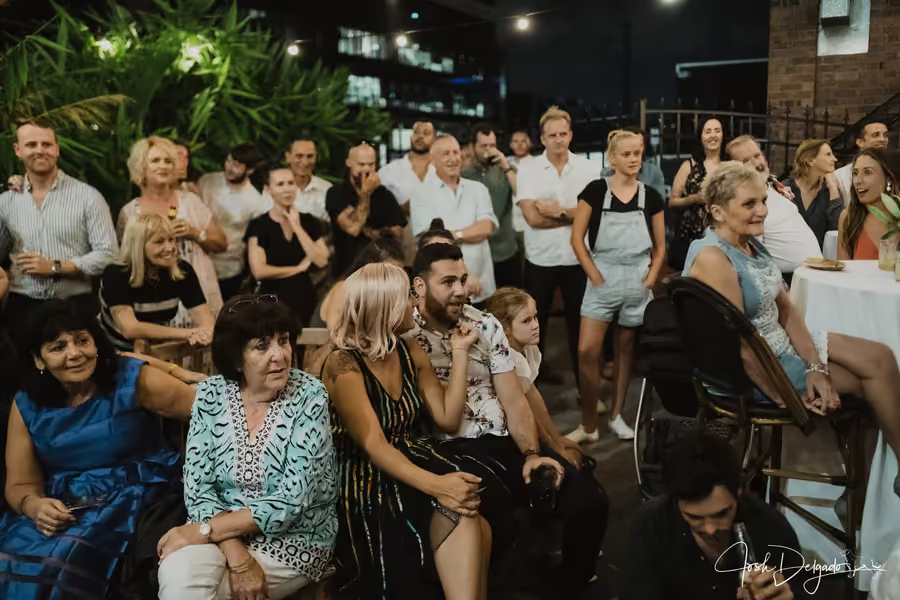
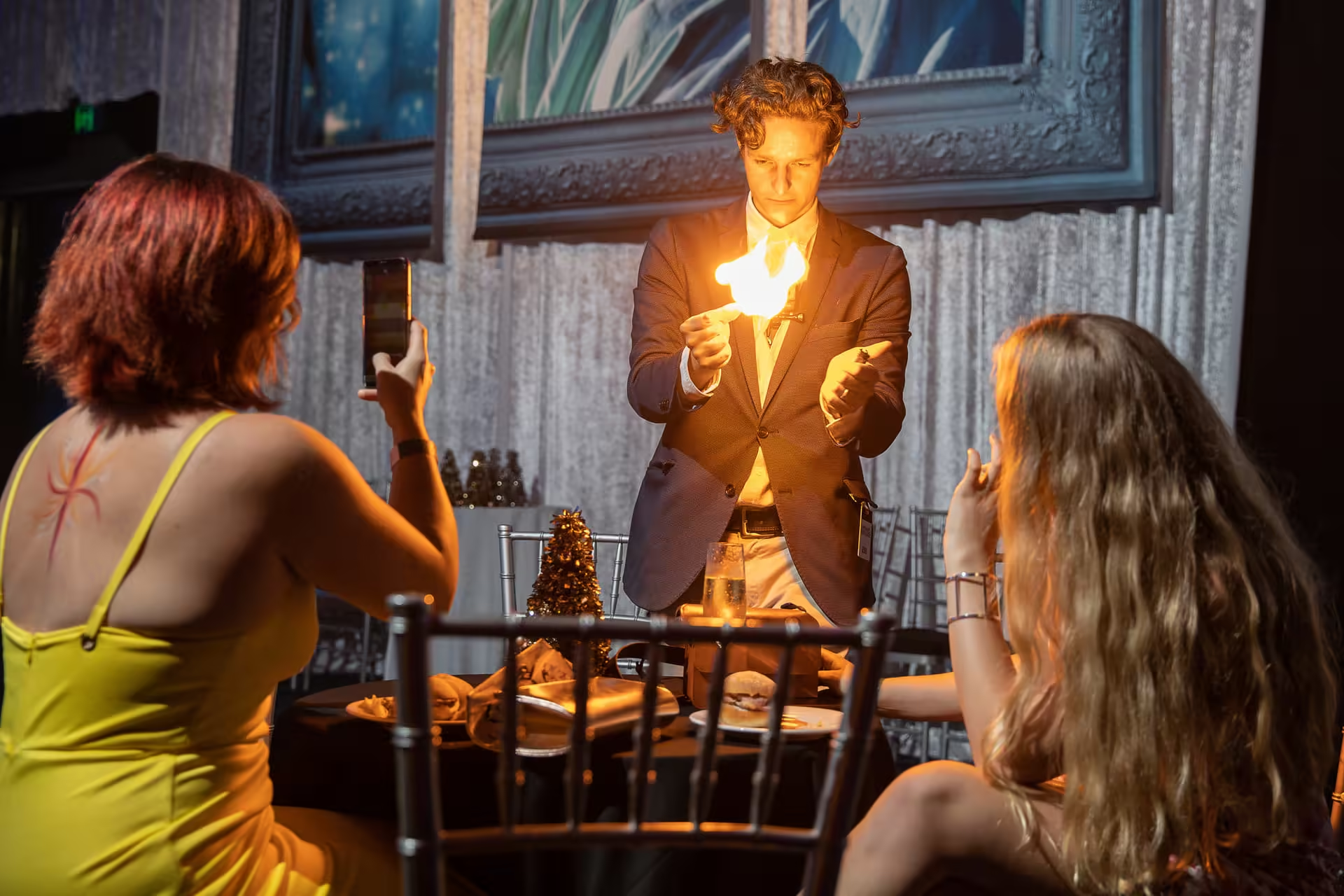
Roving — sometimes called walk-around or strolling magic — is performed in small bursts, moving from group to group through a crowd that’s standing, mingling, and generally not sitting still. Think cocktail hour, a networking event, a wedding reception before the formal seating, or a trade show floor.
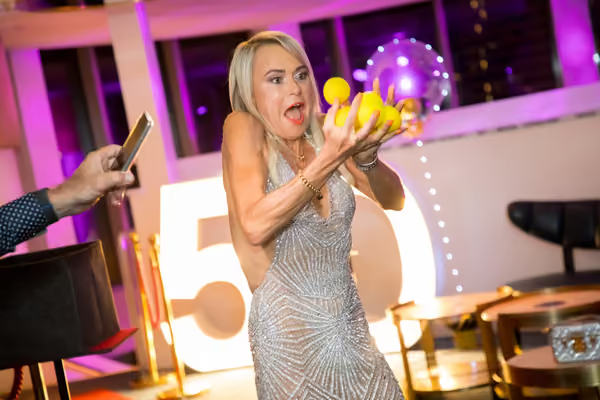
The performer works with whatever’s on hand — a deck of cards, a few coins, sometimes small objects borrowed from guests — creating short, self-contained moments of astonishment for clusters of 3 to 10 people at a time, then moving on. Over the course of an hour or two, that adds up to dozens of small, personal “wow” moments scattered across the whole event, rather than one big shared moment.
Roving works best when:
-
People are standing and mingling, not seated
-
You want to create conversation and energy during a “dead time” in the schedule (like the gap between ceremony and reception, or the lull before a conference session starts)
-
There’s no single moment where everyone’s attention naturally gathers in one place
-
You want an intimate, personal experience rather than a big shared spectacle
What stage magic actually is
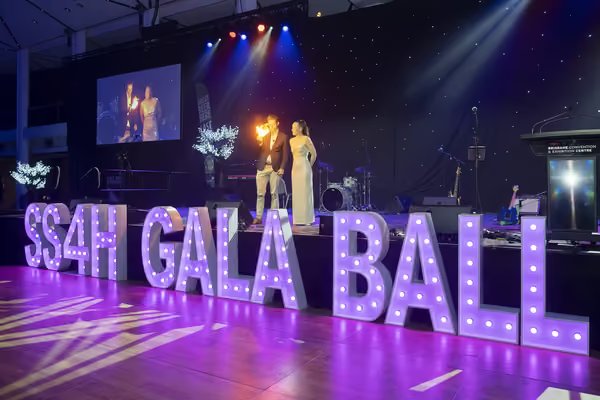
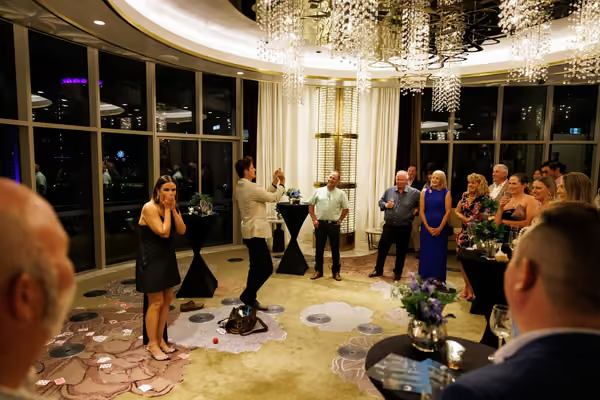
Stage or platform magic is the opposite structure — one performer, one show, delivered to a seated or gathered audience all watching the same thing at the same time. It’s more produced: bigger visual effects, a clear beginning-middle-end structure, usually a wireless microphone, sometimes music or a screen.
This is what people picture when they imagine “a magic show” — and it creates a genuinely different kind of energy. Instead of dozens of small personal moments, you get one big shared experience the whole room reacts to together, which is powerful for building a sense of occasion.
Stage works best when:
-
You have a captive, seated audience (an awards dinner, a gala, an after-dinner slot)
-
There’s a natural point in the schedule built for entertainment
-
You want a shared, collective moment rather than a scattered one
-
The room has (or can have) a clear focal point — a stage, a cleared area, a screen
The mismatch I see most often
Booking the wrong format for the room is more common than people realise, and it’s rarely the magician’s fault — it usually comes down to the event organiser not knowing there was a choice to make in the first place.
The two mismatches I see most:
Stage magic booked for a standing networking event. If there’s no natural gathering point and people are free-flowing through a room talking to each other, a stage act either needs everyone to stop what they’re doing and physically move toward a focal point (which not everyone will do enthusiastically) or it falls a bit flat because half the room never really engages.
Roving magic booked for a seated dinner where everyone’s already at assigned tables. This can still work, but it’s a harder job than roving through a mingling crowd — the performer has to actively work table to table rather than naturally drifting with the flow of the room, and it takes longer to reach everyone. It’s doable and I do it regularly, but it’s worth knowing going in that it plays out differently to a standing cocktail-hour crowd.
Can you have both?
Yes, and for longer events this can be a useful structure. Roving magic can run during the cocktail hour or arrival period while people are mingling, followed by a shorter stage segment once everyone is seated for the formal part of the evening. It gives each format a clear role without asking either to do a job it was not designed for.
How to decide, practically
If you’re not sure which fits your event, the questions that actually settle it are simple:
-
Will people mostly be standing and moving, or seated for a defined period? Standing → roving. Seated → stage.
-
Is there a scheduled “entertainment slot” in your run sheet, or is entertainment meant to happen in the background while other things go on? Scheduled slot → stage. Background/ambient → roving.
-
Do you want one big shared moment, or lots of small personal ones spread through the event? Big shared → stage. Small and personal → roving.
If you’re still unsure, it’s genuinely worth just asking whoever you’re booking — a magician who’s done both formats for a while can usually tell within a couple of questions about your event which one will land better, and it’s a conversation worth having before you lock anything in rather than after.
A practical rule of thumb: guest count and timing
Coverage depends on guest movement, group size, available time and whether guests are standing or seated. Share the run sheet and an approximate guest count so the performer can explain a realistic coverage plan.
Roving magic generally handles wind and uneven light better than stage magic, since it doesn’t rely on fixed sound or sightlines — worth factoring in if your event’s outdoors and weather is a variable. If you do want a stage-style segment outdoors, it’s worth confirming with your performer what backup plan exists if conditions turn.
Planning an event on the Gold Coast?
I perform both roving and stage formats across the Gold Coast, Brisbane, and Byron Bay, and I’m always happy to talk through which one actually suits what you’ve got planned — venue layout, guest count, and schedule all factor in. Get in touch via the booking page with a few details about your event and I’ll give you an honest read on it.
Ready to make your event unforgettable?
Let’s talk about your event.
Check Jason’s AvailabilityBooking Enquiry